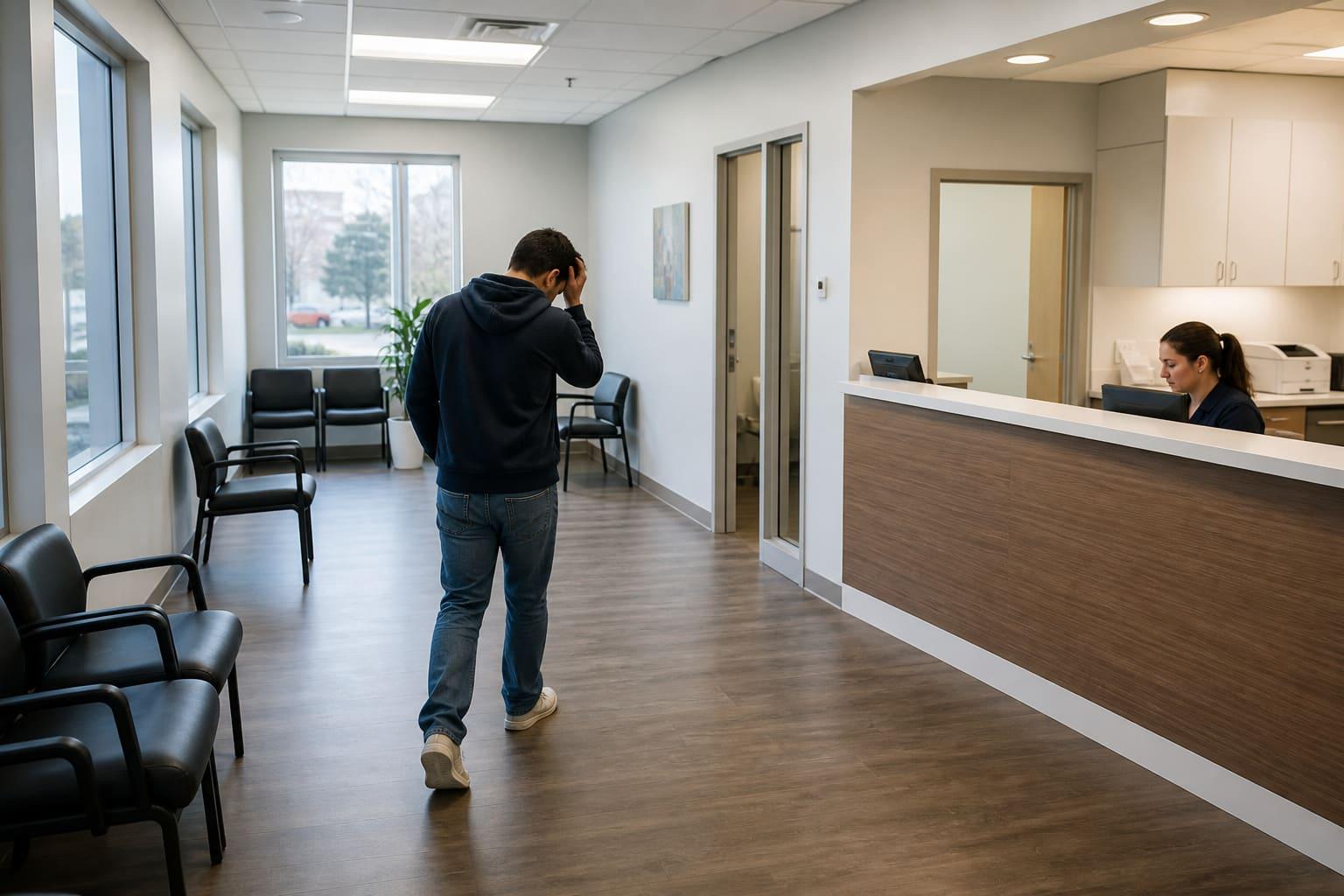

British Columbia’s family-doctor shortage is no longer news. It is the background condition of ordinary care. Estimates over the past two years have put hundreds of thousands of residents without a regular primary-care provider. Even people who have a family doctor often cannot get a same-day appointment. Walk-in clinics fill, urgent-care centres backlog, and emergency departments absorb problems that are not emergencies.
Family-practice leaders have been blunt: the province is unlikely to hire and train its way out of the gap on the timeline patients are living through now. Training pipelines are slow. Retirement and burnout continue. Rural and suburban communities feel it first, but Lower Mainland patients are not insulated. A two-year wait for a panel is not a scheduling inconvenience. It is a closed door.
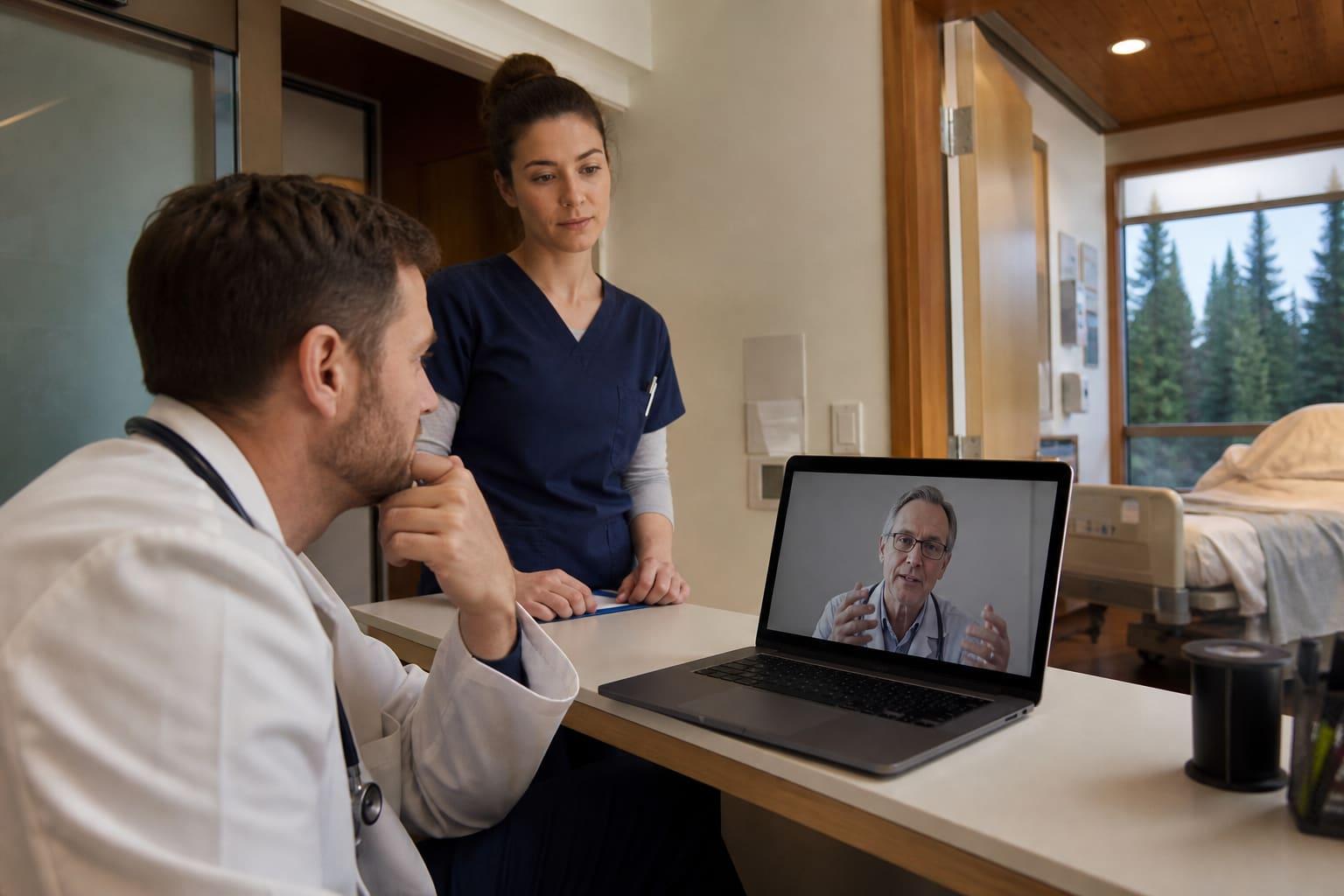
Telehealth has become the stopgap that actually shows up. Platforms that connect patients with licensed physicians—often covered by MSP when the visit qualifies—handled a large volume of B.C. encounters in 2025. That does not make virtual care a replacement for a longitudinal family practice. It does make it the difference between being seen today for a UTI or a prescription renewal and sitting in an ER for six hours.
Medicy’s mission is aimed at that gap, with a specific design: a convenient web app for pharmacies, healthcare organizations, and patients, so hospital pressure eases and local fulfilment stays intact. Instant connection to an available physician, 24/7 coverage, and a prescription that can be picked up or delivered the same day will not create new family doctors. It will make the current shortage less dangerous while the system keeps trying to.
Takeaways
- Hiring more physicians will not close B.C.’s access gap on the timeline patients need.
- Virtual care is a complement to in-person family practice, not a full substitute.
- Medicy’s role is same-day physician access tied to local pharmacy fulfilment.